
Plain-English guides
How appraisals work in a bankruptcy case
Eight short guides for filers, debtor attorneys and trustees.

Your Home and a Chapter 7 Filing: Where the Appraisal Fits
In Chapter 7 the trustee asks one practical question about your house, and a credible appraisal is how you answer it.

Chapter 13 and Your Home: How an Appraisal Supports the Plan
A Chapter 13 plan lets you keep the house, but the plan still has to account for what that house is worth.

The California Homestead Exemption and Why Value Drives It
The exemption protects a slice of your home equity, and you cannot know whether it covers you until you know what the home is worth.

Valuing a Home as of the Petition Date
A bankruptcy appraisal often describes the market on a day that has already passed, and doing that well takes a specific method.

Appraisals for Chapter 13 Lien Stripping and Motions to Value
Whether a second mortgage survives a Chapter 13 case can come down to a few dollars of value, so the appraisal has to be built to withstand scrutiny.

Appraisal Support for Debtor Attorneys and Their Staff
A straightforward process for law offices that need defensible values on Schedule A/B, plan confirmation, and motions to value.

Independent Appraisals for Trustees and Creditors' Counsel
When the value on a debtor's schedules needs a second look, an independent appraisal gives the estate a documented basis for its next step.
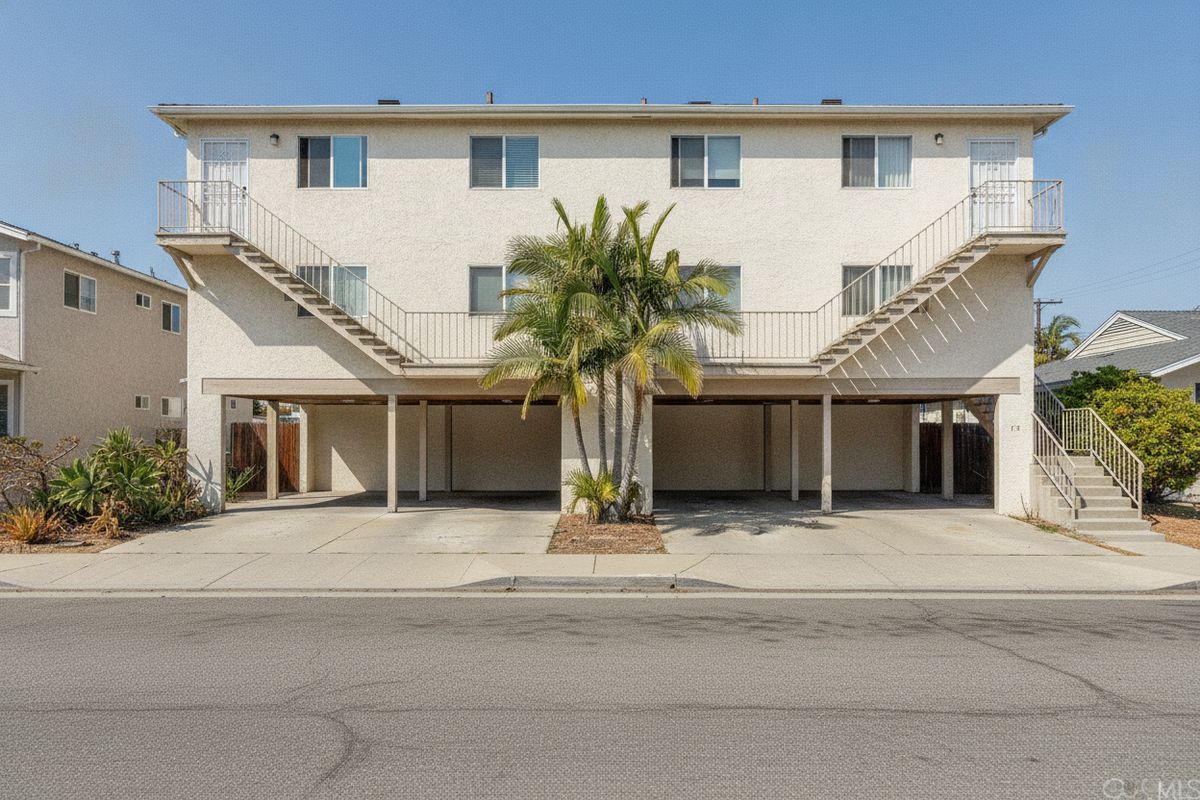
Rental Homes and 2-4 Unit Properties in a Bankruptcy Case
Investment property is treated differently from the home you live in, and the appraisal has to reflect how buyers of rentals actually think.
These guides explain how appraisals are used. They are not legal advice; your bankruptcy attorney decides strategy.
Tell Brian the address and the petition date. You will have a written quote, usually the same day.