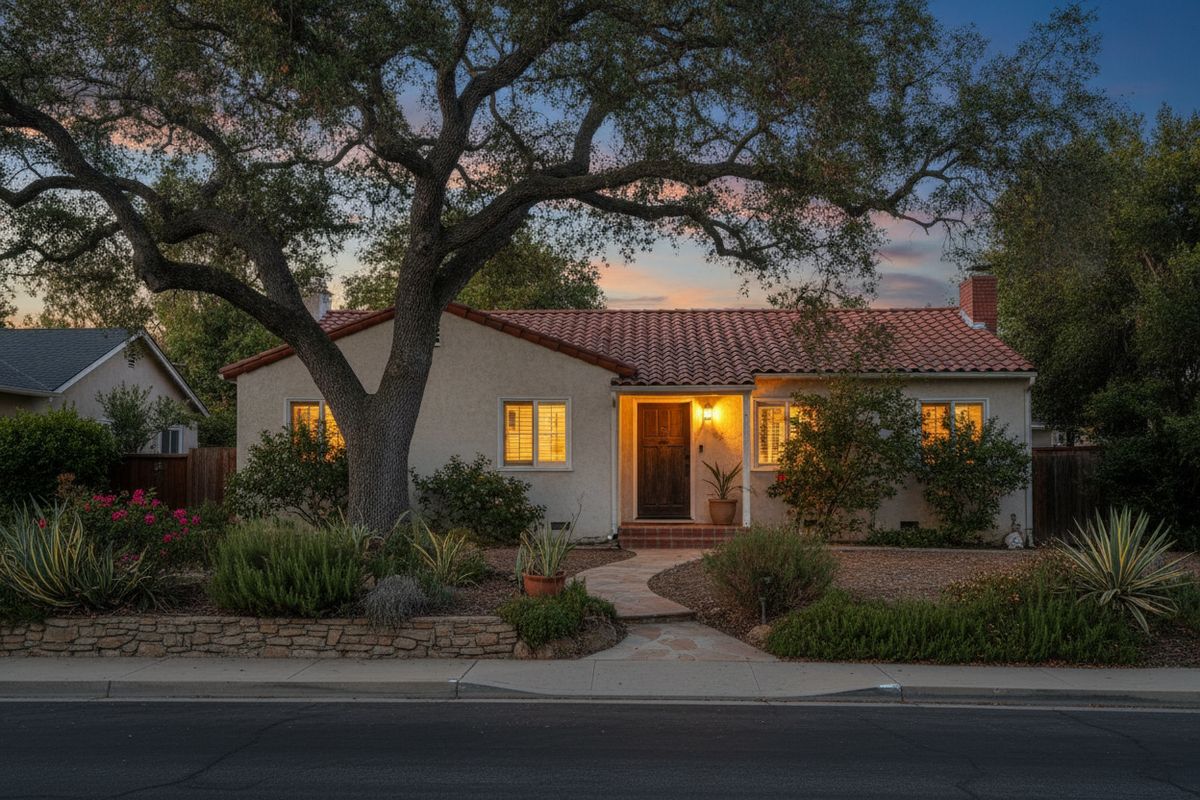
When a homeowner dies, the value of the house on that day becomes a reference point for years. It sets the stepped-up tax basis heirs rely on when they sell, it shows up on estate inventories, and it can matter in disputes among beneficiaries. Brian Ward prepares retrospective appraisals that look back to the exact date of death, using sales that closed in the weeks and months around it. He does the research and writes every report himself. Families often call long after the funeral, sometimes years later, and that is workable. The report explains how he reconstructed the home's condition and why the chosen sales reflect the market on that specific date.
Where this meets a bankruptcy case
Bankruptcy and inheritance meet more often than people expect. Under federal bankruptcy law, if a debtor becomes entitled to an inheritance within 180 days after filing, that interest can be pulled into the bankruptcy estate. A trustee in that situation needs to know what the inherited share is worth, and the date-of-death value of the house is usually the starting point. A debtor's attorney may want the same number to evaluate exemptions or a proposed settlement. The reverse also happens: a person who owned a home dies while their own bankruptcy case is open, and the estate representative must deal with the trustee or the Chapter 13 plan. In each case, the appraisal pins value to a precise date and lets the probate side and the bankruptcy side work from one consistent figure. Brian can coordinate effective dates when both the date of death and a petition date need values, and he will explain in the report why any two figures differ.
Why the date of death matters for heirs
Inherited property generally receives a new tax basis equal to its fair market value when the owner died. If heirs later sell, capital gain is measured from that stepped-up figure rather than from what the original owner paid decades ago. A supportable date-of-death value can make a real difference at tax time, and a CPA will usually want a written appraisal rather than an online estimate pulled after the fact. The report also helps executors and successor trustees complete inventories, divide property fairly among siblings, and answer questions from beneficiaries who were not involved in day-to-day decisions. Brian does not give tax advice; he supplies the documented value that your tax professional uses.
Reconstructing a past market
A retrospective appraisal answers the question as if the appraiser had stood in front of the house on the date of death. Brian selects comparable sales that closed near that date and avoids letting later price movements creep into the analysis. Where the market was shifting quickly, he explains how he accounted for the trend. If the home has been cleaned out, repaired or remodeled since the owner died, the report addresses condition as it was, using family descriptions, old listing photos, permits or the appraiser's own observations of items that clearly predate the change. The goal is a figure that a reviewer can follow step by step, even someone who never saw the home.
Timing, inspections and what to gather
An interior inspection is helpful when the home still looks roughly as it did, but it is not always necessary. For houses already sold or substantially changed, a desktop retrospective report can be the practical choice. Before the appointment or phone call, gather the date of death, the property address, a rough description of the condition at that time, and any photos you can find. Notes about a leaky roof, a remodeled bathroom or a converted garage are useful. If there is a trust, mention the trustee's name and whether an attorney or CPA will be reading the report, so it can be addressed correctly. The written quote reflects how far back the effective date reaches.
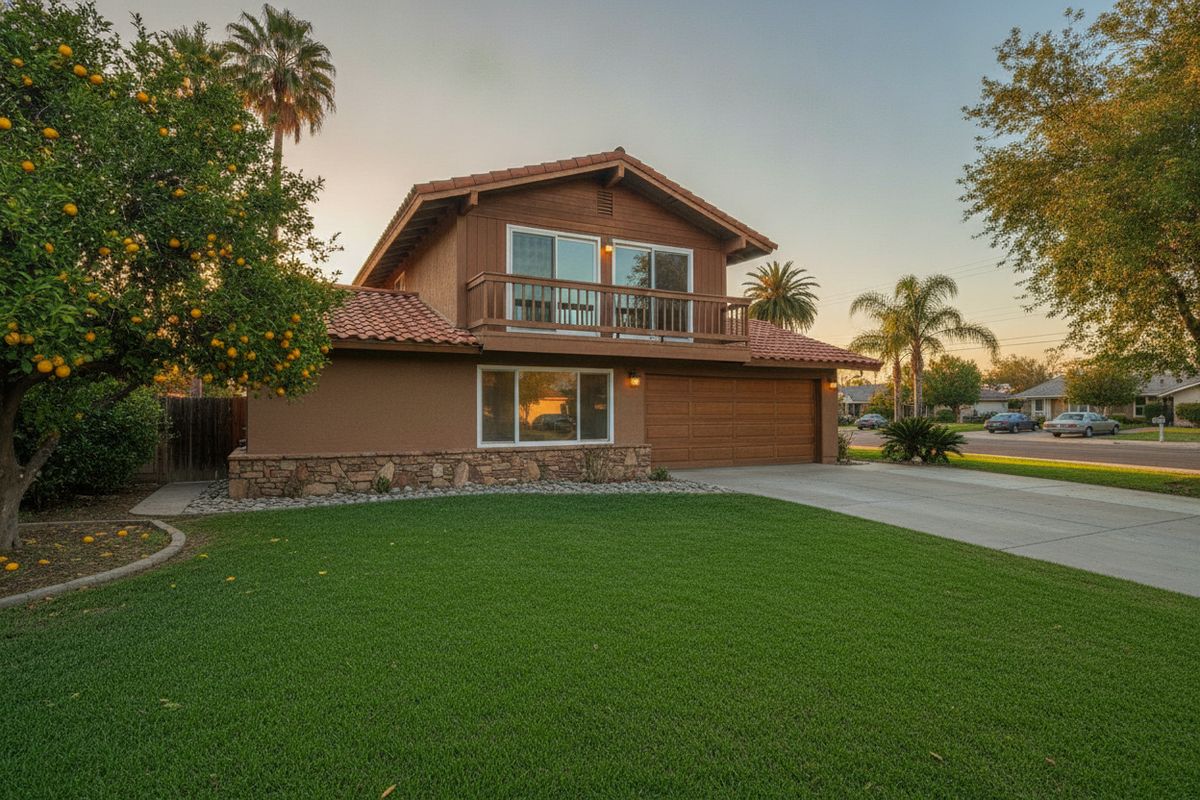
What the report includes
- Retrospective opinion of market value as of the exact date of death
- Comparable sales that closed around that date, with adjustments explained
- Discussion of market trend near the effective date
- Description of property condition as of the date of death and how it was established
- Photographs and location map
- Signed certification and scope of work suitable for CPAs, attorneys and courts
Which report usually fits
When the house is still in the family and unchanged, the Standard report at $699 gives the most complete picture. For a home that has since been sold or remodeled, the $449 Desktop report usually fits, while the $299 Basic Desktop can provide a preliminary planning number. If the inherited property has two to four units, choose between the Standard 2-4 Unit ($799) and the Desktop 2-4 Unit ($549). Very old dates are quoted higher.
| Report | Visit | Best for | From |
|---|---|---|---|
| Basic Desktop | No site visit | Public data and a tight set of nearby sales; suits a routine Schedule A/B entry. | $299 |
| Desktop | No site visit | More sales, more market-trend support; for equity that sits near the exemption line. | $449 |
| Drive-By | Exterior viewing (SD & Riverside list only) | Curbside photos of the outside, plus a complete comparison grid. | $649 |
| Standard (house or condo) | Interior + exterior (SD & Riverside list only) | Every room seen, measured and photographed. The pick for disputes and valuation motions. | $699 |
| Desktop 2–4 Unit | No site visit | Small income buildings priced from data, with rent levels weighed. | $549 |
| Standard 2–4 Unit | All units inspected (SD & Riverside list only) | Each unit toured; income and sales support written up in full. | $799 |
Where inspections are offered: Drive-By and Standard (inspected) reports are available only in the 68 San Diego County and Riverside County communities on our service list. Everywhere else in California, Brian prepares desktop reports only. See the list.
Date-of-Death Appraisal questions
Is there a limit on how old a date-of-death value can be?
Brian has prepared retrospective reports reaching back many years. The limit is usually the availability of reliable sales records for that period, not a rule. Older dates require more research, so the written quote will be higher than for a recent date. Mention the date when you phone, and he will let you know what can realistically be done before you sign on.
Does the house have to be inspected?
Not always. An inspection is useful when the home still looks the way it did on the date of death. If it has been sold, gutted or renovated, the appraisal can rely on photos, records and family descriptions instead. The report will state the scope used so that readers understand how condition was determined.
Will the IRS accept this appraisal?
No appraiser can promise how a taxing agency will respond. What Brian provides is a report prepared by a California certified appraiser, with a clear effective date, supporting sales, and a signed certification. That is the kind of documentation tax professionals typically ask for. Your CPA or estate attorney can advise on filing requirements.
Can one report serve several heirs?
Yes. The beneficiaries, the trustee and their advisors can all work from a single appraisal valuing the property on the date of death. The report names the client and intended users, so let Brian know at the start who should be listed. That avoids the need for a second report later.