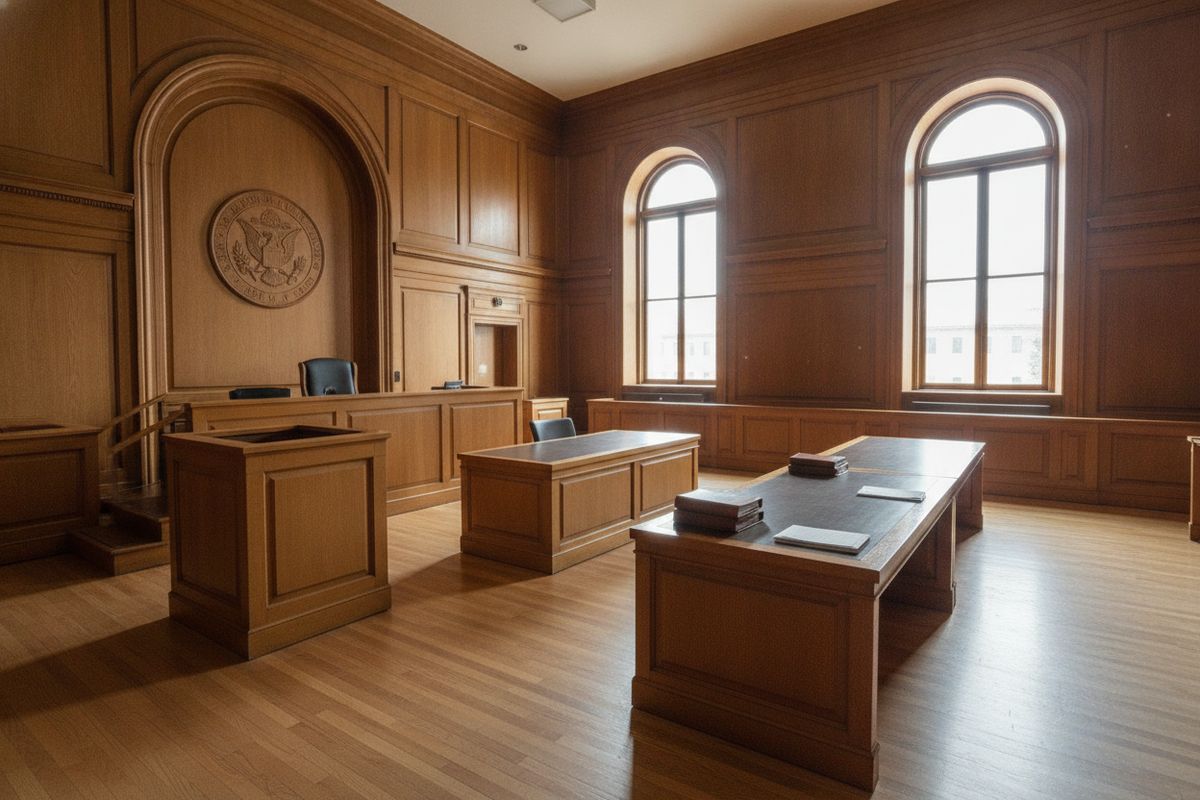
In a courtroom dispute over value, both the appraisal and the appraiser face scrutiny. Since 2004 Brian Ward has valued homes in Riverside County and San Diego County, preparing each of his upward of 7,000 assignments himself. For litigation, he writes reports designed to be read by opposing counsel and judges, not just clients. The analysis is transparent, assumptions are stated, and the evidence is easy to follow. He can prepare an original appraisal, review another appraiser's work, or both. Depositions and trial testimony are billed separately from the report and quoted ahead of time, so attorneys can budget the full engagement.
Where this meets a bankruptcy case
Bankruptcy valuation fights tend to be focused and fast. A creditor may object to the value a debtor listed on Schedule A/B, a trustee may challenge an exemption claim, or a Chapter 13 debtor may file a motion to value a home in order to strip a wholly unsecured second mortgage. In each setting, the judge often decides between two appraisals. The persuasive one usually has better comparable sales, a correct effective date tied to the petition, and condition evidence that holds up under questions. Brian prepares reports with that hearing in mind, and he can explain his choices in a declaration, a deposition, or live testimony. He can also review the opposing appraisal and point out where its sales, adjustments or date fall short. He testifies about value only. Legal arguments about exemptions, plan feasibility or lien treatment stay with counsel, which keeps his role credible.
What makes an appraisal hold up in court
Courts tend to trust reports that are specific. That means comparable sales that are genuinely similar and close in time to the effective date, adjustments supported by market evidence rather than rules of thumb, and photographs that let the judge see what the appraiser saw. Being honest also means naming the weak spots: when good sales were scarce, the report admits it and describes how that shortfall was addressed. Brian writes in plain language, avoids jargon where a simpler word works, and organizes the report so an attorney can find the key facts quickly. When a question comes on the stand, the answer should already be on the page. Exhibits are labeled so they can be referenced quickly during examination or in a written declaration.
Appraisal reviews of opposing reports
Sometimes the most useful service is a careful look at someone else's work. In a review, Brian examines the other appraiser's sales selection, adjustments, effective date, and description of the property, then reports whether the conclusions are reasonable and supported. Common problems include sales from the wrong period, comparables from a different market area, ignored condition issues, and math errors. A review can be a standalone assignment or paired with an original appraisal. Attorneys often use a review to decide whether a dispute is worth pursuing at all, which can save clients the cost of a full hearing that might not change the outcome. Findings are delivered in writing, so counsel can share them with the client and decide on next steps.
Depositions, declarations and trial
Before testifying, Brian reviews his file, rechecks the comparable sales and prepares for the questions the other side's lawyer will probably ask. He answers directly and stays within his expertise. If he does not know something, he says so. Declarations supporting a motion can be drafted with counsel's input and signed after Brian confirms every statement is accurate. Scheduling for depositions and hearings is arranged with as much notice as possible, and remote appearances are often available in bankruptcy court. Fees for preparation, testimony and travel are quoted separately and in writing so that the client knows the cost of each stage before it begins. Brian also keeps his complete workfile organized so documents can be produced promptly if requested.

What the report includes
- Litigation-ready appraisal report with a clearly stated effective date and scope
- Detailed comparable sales analysis with supported adjustments
- Photographs and maps suitable for use as exhibits
- Optional review of an opposing appraisal with written findings
- Declaration support, deposition testimony and trial testimony (billed separately)
- Signed certification and complete workfile retained for questioning
Which report usually fits
In a contested case the inspected Standard report at $699 is nearly always the right call, or the $799 Standard 2-4 Unit for small multi-unit buildings, since seeing the interior gives the court the best evidence. A Desktop report at $449 may support early case assessment before litigation begins. Complex properties, old retrospective dates and reviews are quoted individually. Depositions, testimony and the time to prepare for them are charged on top of the appraisal.
| Report | Visit | Best for | From |
|---|---|---|---|
| Basic Desktop | No site visit | Public data and a tight set of nearby sales; suits a routine Schedule A/B entry. | $299 |
| Desktop | No site visit | More sales, more market-trend support; for equity that sits near the exemption line. | $449 |
| Drive-By | Exterior viewing (SD & Riverside list only) | Curbside photos of the outside, plus a complete comparison grid. | $649 |
| Standard (house or condo) | Interior + exterior (SD & Riverside list only) | Every room seen, measured and photographed. The pick for disputes and valuation motions. | $699 |
| Desktop 2–4 Unit | No site visit | Small income buildings priced from data, with rent levels weighed. | $549 |
| Standard 2–4 Unit | All units inspected (SD & Riverside list only) | Each unit toured; income and sales support written up in full. | $799 |
Where inspections are offered: Drive-By and Standard (inspected) reports are available only in the 68 San Diego County and Riverside County communities on our service list. Everywhere else in California, Brian prepares desktop reports only. See the list.
Expert Witness Appraisal questions
Can you testify in bankruptcy court?
Yes. Brian can appear in the Southern District of California for San Diego County cases and in the Central District of California, Riverside Division, for Riverside County cases. Appearances may be in person or remote, depending on the judge. Testimony fees are separate from the appraisal and quoted in advance.
Will you change your opinion if our side needs a different number?
No. An expert who shifts opinions to suit a client loses credibility quickly, and that hurts the case. Brian reports the value the evidence supports. If new facts emerge, such as a sale he did not have or a condition issue he could not see, he will consider them and explain any change honestly.
How much notice do you need for a deposition?
As much as possible. A few weeks is ideal, but shorter timelines can sometimes be accommodated. Let Brian know the date, location or video platform, and expected length when you schedule, and he will confirm availability and provide a written quote for preparation and attendance. Video depositions are common and usually simplify scheduling for everyone.
Can you review an appraisal without preparing your own?
Yes. A standalone review evaluates whether another appraiser's report is credible and supported. It does not provide a new value unless that is part of the assignment. Attorneys often order a review first and decide afterward whether a full appraisal is worth the added cost. The review fee is quoted in writing before any work begins.