Key points
- Rentals generally do not receive homestead protection, so their equity is more exposed.
- Chapter 13 may allow cramdown on non-residence property based on value.
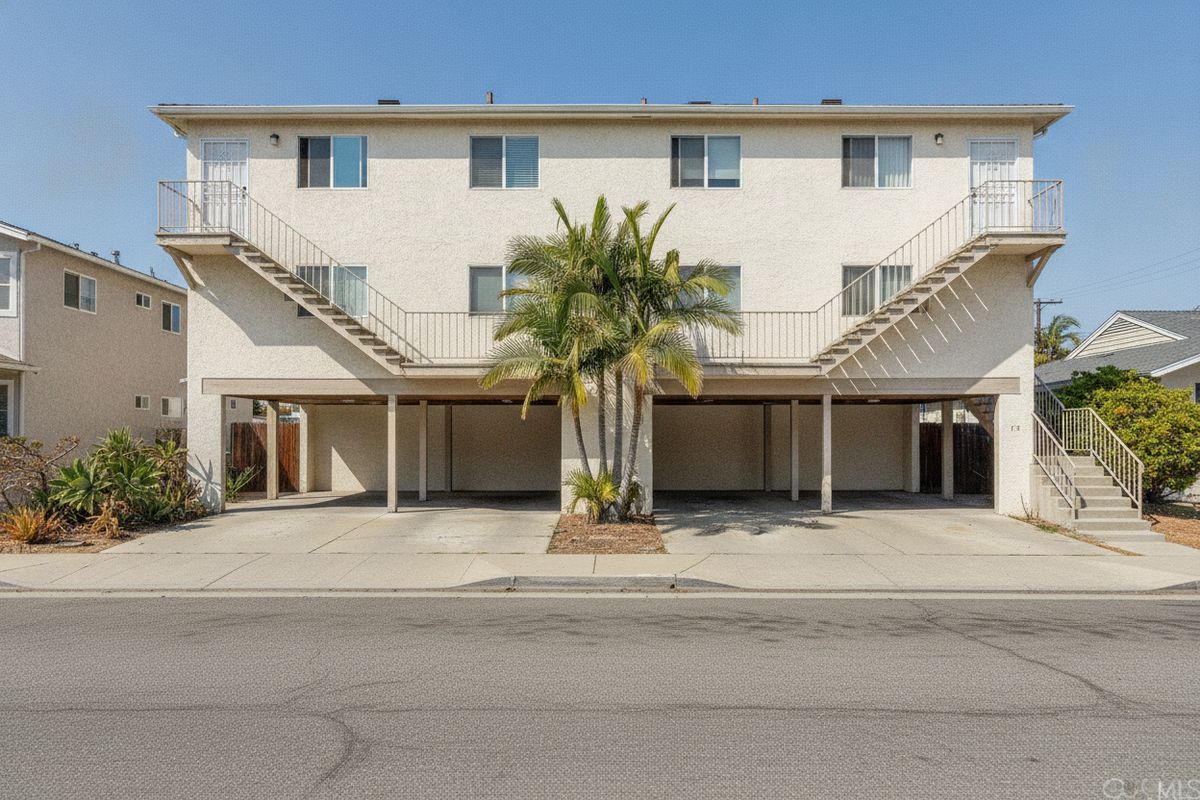
- 2-4 unit value reflects rents, unit mix, leases, and condition of each unit.
- Permitted and unpermitted ADUs are treated differently, and the report explains how.
- Tenant-occupied inspections require notice and coordination; tell us at the time of order.
- This page is general information from an appraiser, not legal advice. Brian Ward is not a lawyer, and nothing here creates an attorney-client relationship; ask a bankruptcy attorney how the law applies to your case.
Why investment property is different
The homestead exemption protects the home you live in. A rental house, a duplex you own across town, or a vacant lot generally does not receive that protection, so equity in those properties is more exposed in Chapter 7 and weighs more heavily in a Chapter 13 liquidation analysis. At the same time, the special protection that shields a principal residence mortgage from modification usually does not apply to investment property. In Chapter 13, that can open the door to a cramdown, where the secured claim is limited to the property's value. All of these outcomes depend on value. For a rental, value is shaped by rents, unit mix, and the condition of each unit, not just by the sales of nearby owner-occupied homes.
Living in one unit of a duplex or triplex
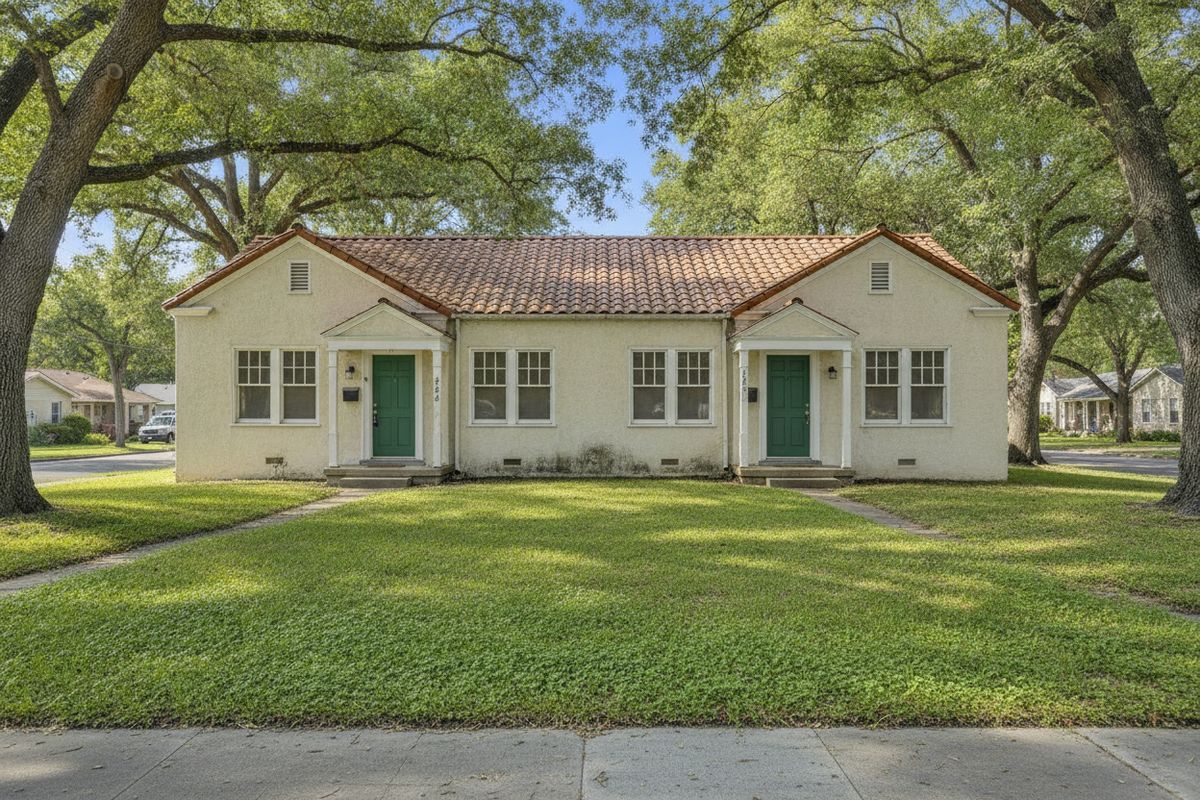
Many owners in San Diego and Riverside Counties live in one unit and rent the others. That arrangement can blur the line between residence and investment property for legal purposes, and courts have looked at such situations in different ways. Whether the property is treated as your principal residence for a particular rule is a question for your attorney. What the appraisal can do is describe the property accurately: how many legal units exist, which one you occupy, whether any unit is unpermitted, and how the market values the building as a whole. If your attorney asks for the value of a portion or an allocation between units, raise it at the outset so the report is scoped correctly. A clear description of each unit also helps the trustee follow the analysis.
How 2-4 unit value is developed
Small income properties are usually appraised by comparing them with sales of other 2-4 unit buildings, adjusted for location, size, unit count, bedroom mix, parking, and condition. Because rental income is central to what buyers pay, Brian also considers market rents for comparable units and, where the data supports it, the relationship between rent and price in the local market. Existing leases matter too. Below-market rents locked in by long-term tenants or rent rules can affect what a buyer would offer, while vacant units ready to lease can help. The price is $549 for the Desktop 2-4 Unit report and $799 for the Standard 2-4 Unit report, which includes an interior look at the units that can be accessed. Rent rolls and copies of current leases are helpful to send with the order.
Single-family rentals and ADUs
A single-family house used as a rental is generally appraised by comparison with sales of similar homes, since most buyers of such houses could live in them. The rental use may still matter if the home is tenant-occupied, worn from turnover, or hard to access for a buyer's inspection. Accessory dwelling units are increasingly common in both counties, and their legal status matters. A permitted ADU can add value and rental income, while an unpermitted conversion may contribute little or create a cost to legalize or remove. Brian notes what he observes and what public records show, and the report explains how the ADU was treated. Standard single-family reports are $699, and Desktop reports are $449. If you have permit records or plans for the ADU, include them with your order.

Tenant-occupied inspections
Inspecting rented units takes coordination. Tenants are typically entitled to advance notice under California law, and their schedules may limit when Brian can enter. Let us know at the time of the order whether units are occupied and how notice will be given; the owner or property manager generally arranges access. If one unit cannot be entered, Brian can often complete the assignment by viewing the accessible units and the exterior, stating in the report which spaces were not inspected and the assumptions made about them. Tenant privacy is respected: photographs focus on the condition of the property, not on personal belongings. For screening purposes, a Desktop report can avoid disturbing tenants entirely. Plan ahead so a notice period does not delay a filing deadline.
Cramdown and contested values
When a Chapter 13 plan proposes to limit a secured claim on a rental to the property's value, the lender may respond with its own appraisal. Disputes over income property often center on rent assumptions, deferred maintenance, and whether the comparable sales were truly similar buildings. Brian's reports lay out the rent evidence and condition findings so your attorney can respond on specifics. If the matter proceeds to a hearing, testimony is available and billed separately. Call (760) 557-2147 with the property address, unit count, occupancy, and the effective date your attorney needs. This page is general information from an appraiser, not legal advice; your bankruptcy attorney determines how these rules apply to your property. You will receive a written quote first.