The Riverside housing picture
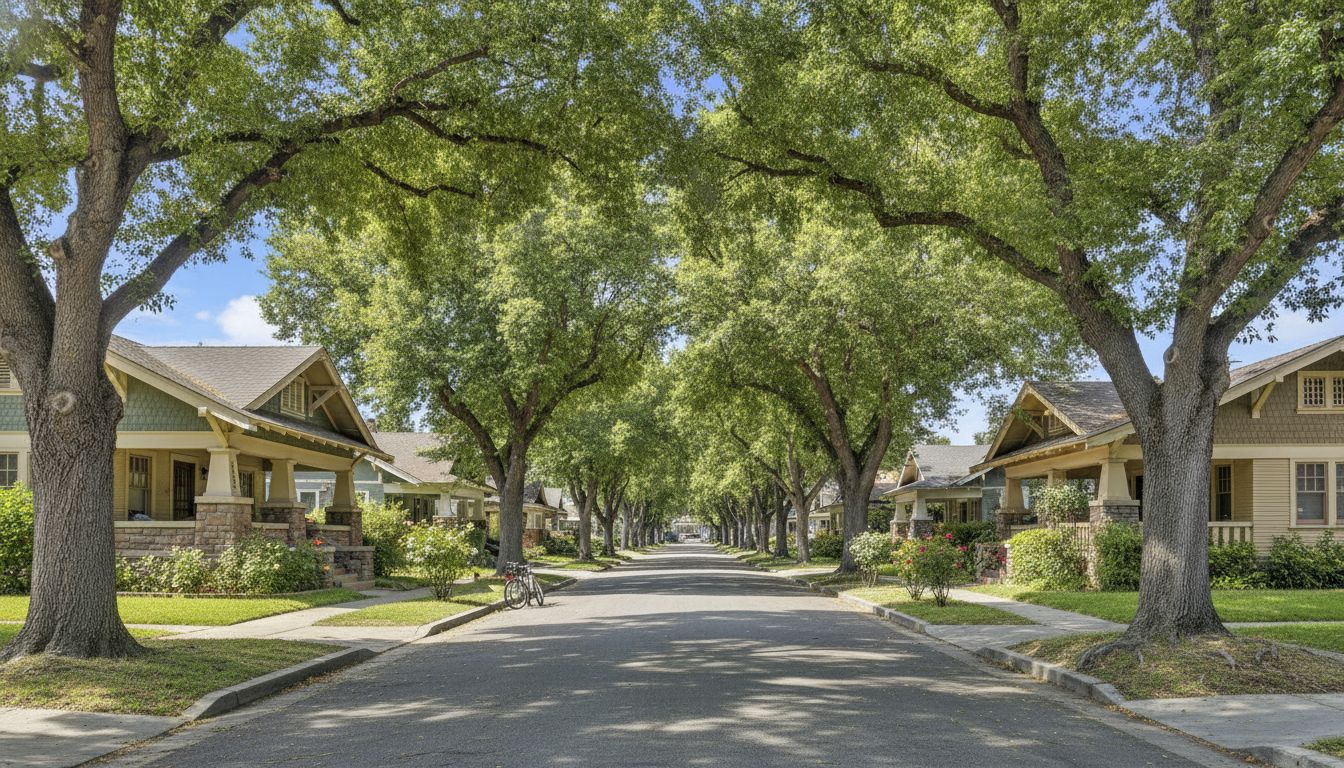
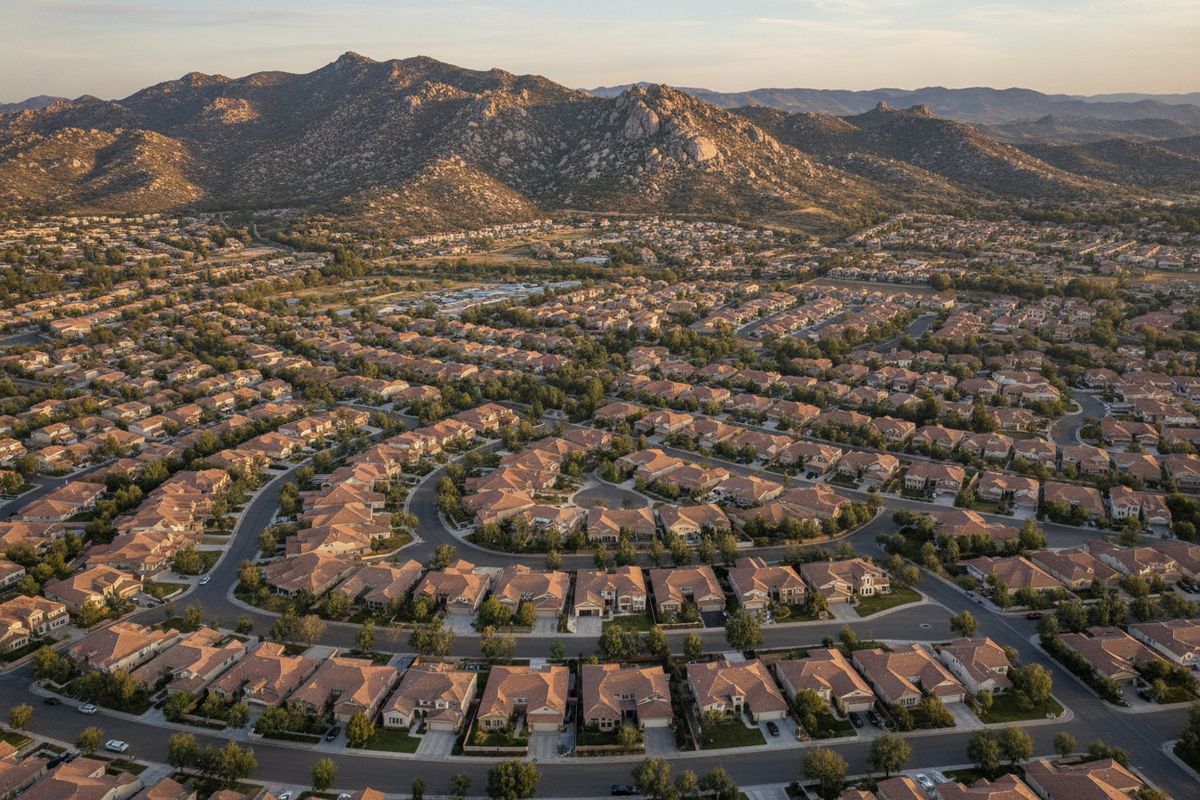
Housing in Riverside spans more than a century, and a single appraisal assignment can land in very different territory depending on the street. Near downtown and the Mission Inn, the Wood Streets and Mount Rubidoux area hold Craftsman bungalows, Spanish Revival homes and Victorians on narrow, tree-lined lots, many with original details and some with decades of patchwork additions. Magnolia Center and Arlington carry postwar ranch homes on modest lots. Out along Victoria Avenue and in Arlington Heights, larger parcels remain from the citrus era, and a few still have groves or room for horses. Canyon Crest and Hawarden Hills climb into rocky hillsides with custom homes and view lots. Orangecrest and Mission Grove, on the southeast side, are mostly tract homes from the 1980s through the 2000s, some under homeowner associations. Near UC Riverside, small houses and condos are frequently held as student rentals. Older condo complexes appear along major corridors. Price levels run from entry-level to upper-tier, and the gap between two homes a mile apart can be wide. La Sierra, on the west side near the university that shares its name, blends 1950s and 1960s tracts with newer infill and some larger lots along the hills. Casa Blanca and the Eastside are among the oldest working neighborhoods, with small houses, multigenerational households and backyard additions. Manufactured homes and older mobile home parks also appear in pockets near the river and the 91 corridor.

Getting the petition-date value right in Riverside
Cases filed by Riverside homeowners go to the U.S. Bankruptcy Court for the Central District of California, Riverside Division, which sits right here in the city. That proximity helps with scheduling but changes nothing about what the valuation has to prove. The value must reflect the petition date, and filings are often prepared or challenged months later, so Brian frequently works with a retrospective effective date and selects sales that closed around that date rather than whatever sold last week. Historic homes create their own questions: original wiring, aging plumbing, foundation settling and unpermitted rear additions all affect value, and a trustee will want to see that they were noticed. In the citrus-era parts of the city, a larger lot may carry value that a quick automated estimate ignores, or it may be burdened by an odd shape or limited access. Student rentals near the university and duplexes in older neighborhoods raise income questions for Chapter 13 plans. Tract homes in Orangecrest and Mission Grove can involve association dues and, in some tracts, special tax assessments. Hillside homes in Canyon Crest and Hawarden Hills may sit on steep lots with brush exposure, which can complicate insurance and narrow the buyer pool. Manufactured homes near the river need a clear call on whether they are real or personal property. And when a non-filing spouse shares title, the attorney may need the full value of the home rather than a share, so Brian appraises the whole property and leaves the division to counsel. Brian reports what he sees and what the sales support; legal strategy stays with the attorney.
What Brian documents for a Riverside filing
- Confirms the exact petition date with the filer or attorney and builds the comparable set around sales that closed or went pending near that date.
- Photographs condition items common in older Riverside homes, such as original knob-and-tube wiring, galvanized pipes, cracked foundations, roof wear and dated kitchens or baths.
- Checks county permit history against the actual footprint so unpermitted additions, garage conversions or rear units are identified and handled consistently in the report.
- Notes lot size, shape, access and any remaining grove, horse or agricultural use on Arlington Heights and Victoria Avenue area parcels that tracts nearby lack.
- Gathers rent and lease details for student rentals near UC Riverside, duplexes and multi-unit properties when income bears on a Chapter 13 plan.
- Records HOA name, dues and any known special tax or assessment district for tract homes in Orangecrest, Mission Grove and newer southeast-side subdivisions.
Finding your way around
Downtown Riverside centers on the Mission Inn and the pedestrian Main Street mall, with the federal courthouse and the bankruptcy court a short walk away. Mount Rubidoux rises just west of downtown, and its summit trail looks over the Santa Ana River bottom. Victoria Avenue runs southwest through the greenbelt, lined with palms and roses and flanked by old orange groves. The 91 freeway cuts diagonally across the city, the 60 and 215 meet near the University District, and UC Riverside sits at the foot of the Box Springs Mountains. Lake Evans in Fairmount Park anchors the north end.
Neighborhoods covered
- Wood Streets
- Mount Rubidoux
- Magnolia Center
- Canyon Crest
- Orangecrest
- Mission Grove
- Arlington Heights
- La Sierra
- Hawarden Hills
- Casa Blanca
ZIP codes
92501, 92503, 92504, 92505, 92506, 92507, 92508
Court
U.S. Bankruptcy Court, Central District of California, Riverside Division
Reports offered here
All six, including inspected Standard and Drive-By reports, plus every desktop option.
Riverside bankruptcy appraisal questions
My Riverside case is in the Riverside Division. Does a local appraiser matter?
A local appraiser does not change the law, but local knowledge does change the quality of the comparables. Riverside neighborhoods differ sharply over short distances, and a Wood Streets Craftsman should not be measured against a Mission Grove tract home. Brian has appraised across the Inland Empire for years and selects sales that match the age, lot and condition of your house, which gives your attorney and the trustee a report that holds up when someone questions it.
I filed last spring. Can Brian still value my Riverside home as of that date?
Yes. Retrospective appraisals are routine in bankruptcy work. Brian uses your petition date as the effective date, picks sales from that period, and reconstructs the home's condition at that point from what you tell him and any photos you have, alongside his own current inspection and notes on changes since. A filing date that is several years back can cost more because older market data takes longer to assemble, and the written quote will reflect that.
My house near downtown is old and needs a lot of work. Will that be reflected?
It will be documented and weighed. Brian photographs roof problems, foundation cracks, outdated wiring, water damage and similar issues, then compares your home with sales of houses in similar shape, not with fully renovated ones. He does not inflate or shrink problems to reach a target. If repair estimates from contractors exist, share them; they help explain condition, though the appraisal itself rests on what the market paid for comparable homes.