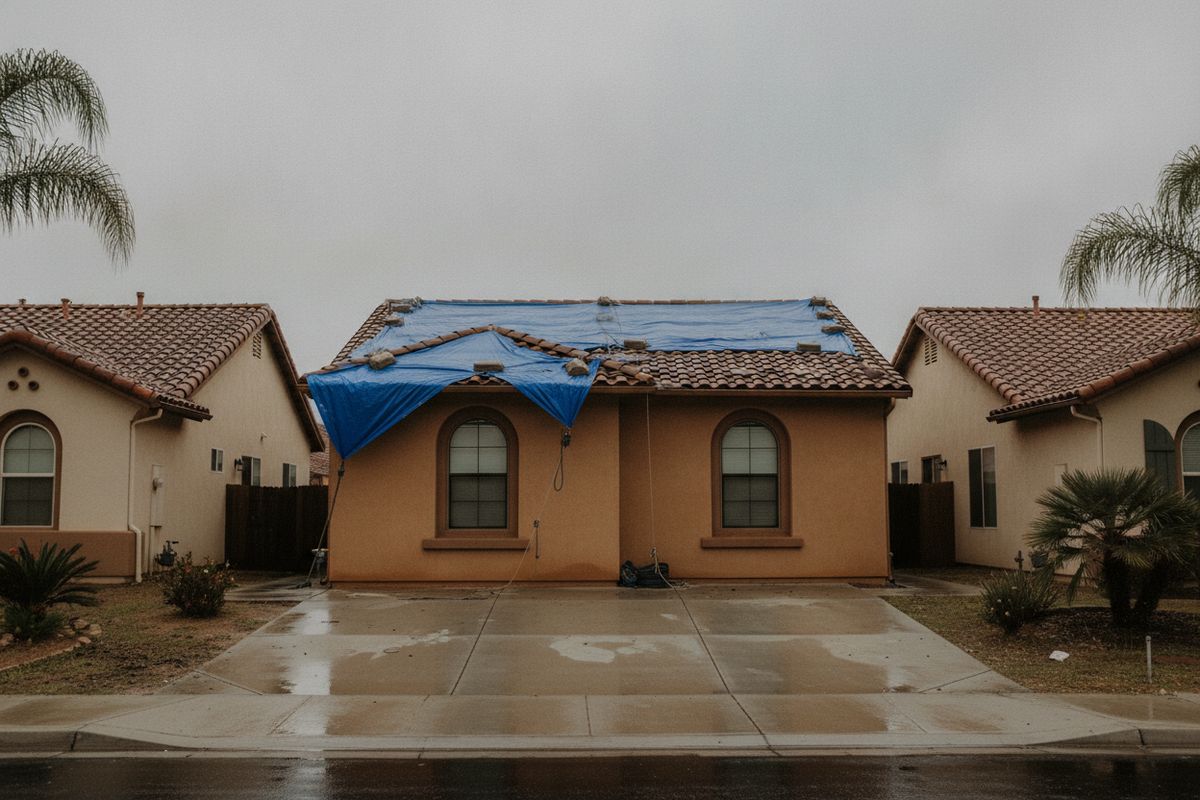
Fire, flooding, a burst pipe or a falling tree can change a home overnight. Adjusters for insurers look at the cost to repair, yet some disputes hinge on market value: the home's worth before the loss, its worth today, and how far the damage or stigma pulled it down. Brian Ward prepares appraisals for homeowners, public adjusters and attorneys who need that comparison documented. He photographs damage carefully, describes the property's condition before the event using whatever evidence exists, and chooses comparable sales that fit each scenario. He is not an insurance adjuster and does not prepare construction cost estimates. He supplies independent market value opinions that support the claim discussion with facts.
Where this meets a bankruptcy case
Insurance proceeds and bankruptcy intersect in ways that catch homeowners off guard. If a home is damaged before or during a bankruptcy case, the claim itself, and any check that arrives, may be property of the estate. A Chapter 7 trustee may want to know whether the proceeds plus the damaged home exceed the exemption and liens. In a Chapter 13 case, the debtor may need court approval to use insurance money for repairs, and the plan may have to account for the change in value. The petition-date value matters too: if damage happened after filing, the trustee may compare the pre-loss value as of the petition date with the current condition. An appraisal that documents both states gives the debtor's attorney and the trustee a shared baseline. Brian prepares those reports with clear effective dates and photographs, while legal questions about who controls the proceeds stay with the attorneys.
Before-and-after value comparisons
The most common insurance-related assignment compares two values: the home as it was immediately before the loss and the home as it stands now. Brian develops the before value using sales from around the loss date and evidence of the home's prior condition, such as earlier photos, listing records or the owner's description. The after value reflects the damage as he observes it, and the report explains how buyers in that market typically respond to similar problems. The difference between the two is not a repair estimate. It is a market measure that attorneys and adjusters can weigh alongside contractor bids when a claim is negotiated. Both values carry their own effective date, stated clearly at the start of the report.
Documenting damage with photographs
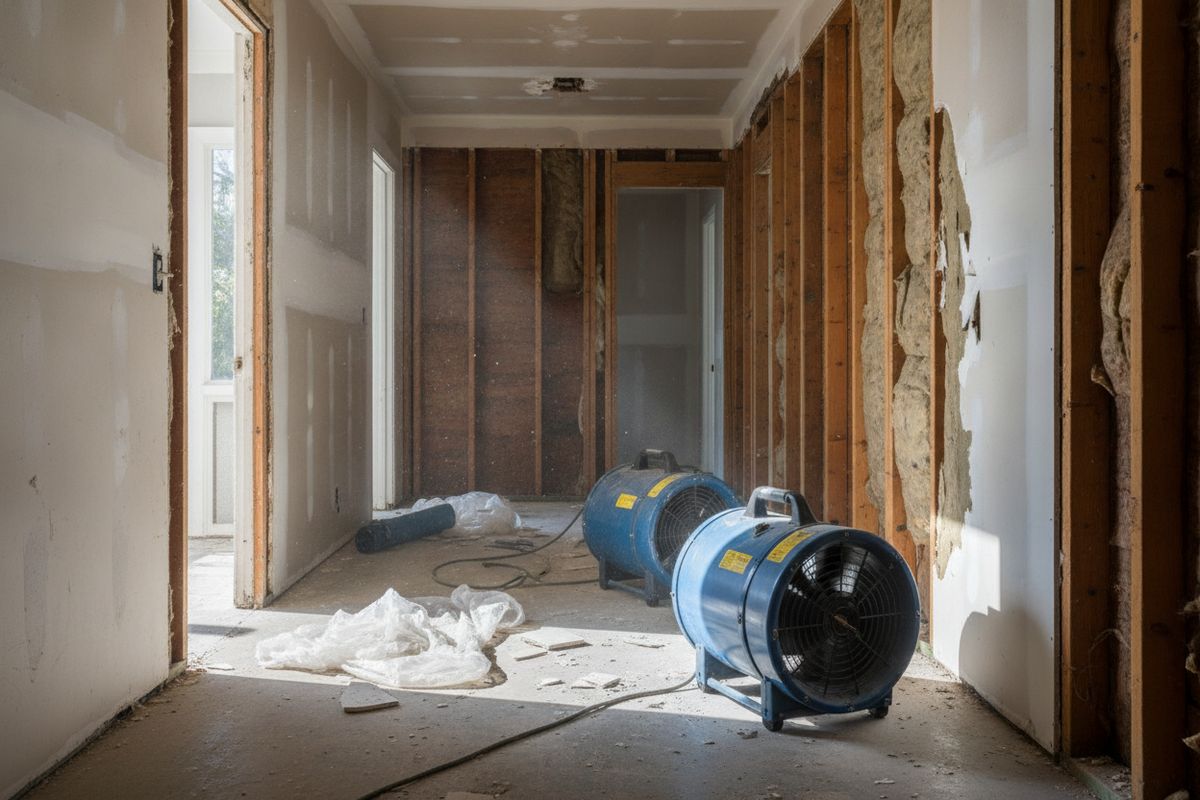
Clear photographs are some of the most valuable parts of an insurance appraisal. Brian photographs damaged areas from multiple angles, notes moisture staining, smoke residue, cracked foundations or missing roofing, and records the rooms that remain unaffected for comparison. He labels each photo by location so a reader can follow the house from room to room. When repairs have already started, he documents what is visible and notes what was removed. Homeowners should keep their own photos from the day of the loss as well; sharing them with Brian helps the report reflect conditions that may no longer be visible by inspection day. Exterior views of the roof, yard and neighboring structures round out the photo record.
Wildfire, water and stigma
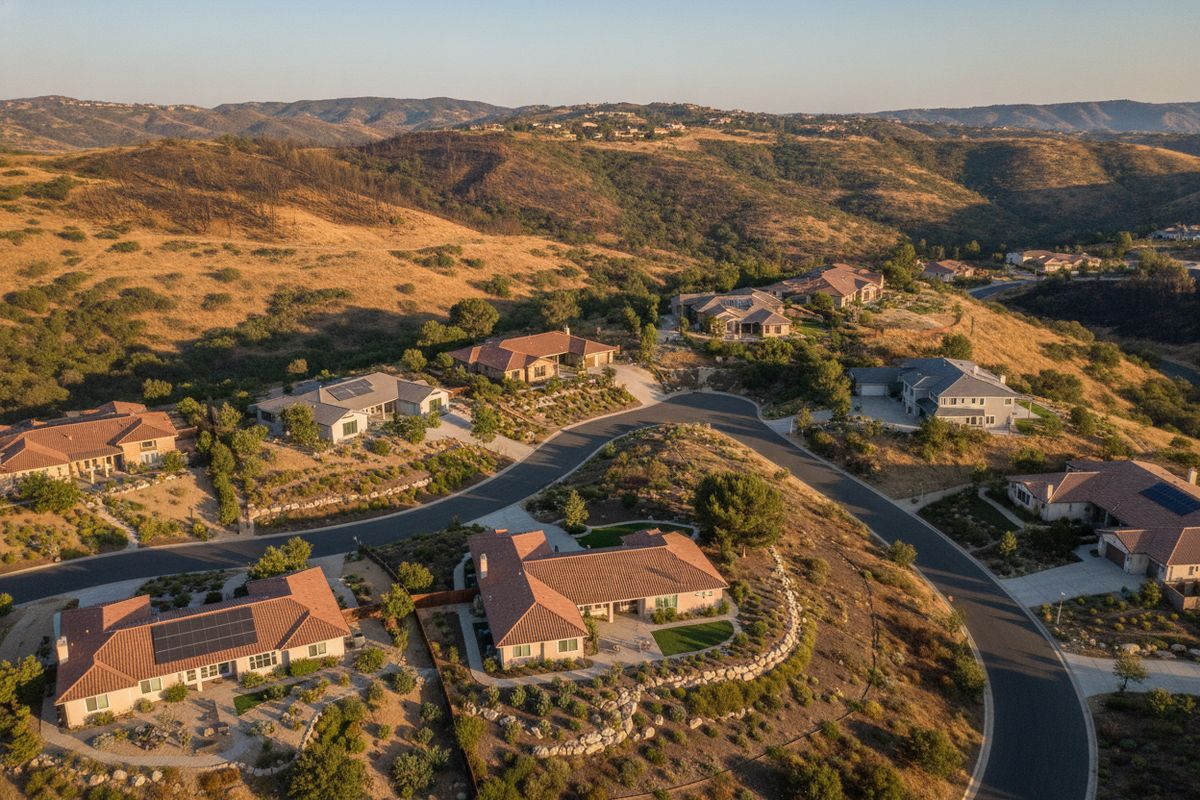
Southern California has seen its share of wildfires, and homes near burn areas sometimes face buyer hesitation even when they were not damaged. Water intrusion and mold can create a similar reluctance after repairs are finished. These effects are hard to measure, and Brian is careful not to overstate them. When sales evidence shows a measurable discount, the report presents it. When it does not, the report says so. That restraint makes the appraisal more credible in negotiations. If the claim proceeds to appraisal under the policy or to litigation, Brian can explain his methods and findings, with testimony quoted separately. He also notes whether nearby sales were affected by the same event, which helps put the numbers in context.
What the report includes
- Opinion of market value before the loss (retrospective) and after the loss (current) as requested
- Detailed photographs of damage, labeled by room or area
- Discussion of buyer reaction and any measurable stigma supported by sales data
- Comparable sales grid for each value scenario
- Location map, scope of work and signed certification
- Report formatted for adjusters, attorneys or bankruptcy counsel
Which report usually fits
Documenting damage requires seeing the inside, so most claims use the $699 Standard report, or the $799 Standard 2-4 Unit when the property is a small rental building. The $649 Drive-By can be enough if only exterior damage is at issue or getting inside is restricted. Desktop reports at $449 suit pre-loss values for homes already repaired. Before-and-after assignments and fire-area stigma studies are quoted above the base fee.
| Report | Visit | Best for | From |
|---|---|---|---|
| Basic Desktop | No site visit | Public data and a tight set of nearby sales; suits a routine Schedule A/B entry. | $299 |
| Desktop | No site visit | More sales, more market-trend support; for equity that sits near the exemption line. | $449 |
| Drive-By | Exterior viewing (SD & Riverside list only) | Curbside photos of the outside, plus a complete comparison grid. | $649 |
| Standard (house or condo) | Interior + exterior (SD & Riverside list only) | Every room seen, measured and photographed. The pick for disputes and valuation motions. | $699 |
| Desktop 2–4 Unit | No site visit | Small income buildings priced from data, with rent levels weighed. | $549 |
| Standard 2–4 Unit | All units inspected (SD & Riverside list only) | Each unit toured; income and sales support written up in full. | $799 |
Where inspections are offered: Drive-By and Standard (inspected) reports are available only in the 68 San Diego County and Riverside County communities on our service list. Everywhere else in California, Brian prepares desktop reports only. See the list.
Insurance Claim Appraisal questions
Is this the same as the appraisal clause in my policy?
Not exactly. Many policies have an appraisal process for resolving disputes over the amount of loss, often focused on repair costs. Brian's report addresses market value. It may be useful evidence in that process or in litigation, but your attorney or public adjuster can explain how it fits your policy.
Can you value my home before the fire if it is now gone?
Yes. A retrospective appraisal can rely on records, older photos, permits and comparable sales from before the loss. The report will explain how the prior condition was established, since an inspection of the original home is no longer possible. Any photos, appraisal records or listing information you saved from before the loss will strengthen the analysis.
Does my bankruptcy trustee need to know about an insurance claim?
Generally, yes, since insurance claims and proceeds can be estate property. That is a legal question your bankruptcy attorney should address right away. Brian can provide values for the property before and after the loss to help your attorney and the trustee assess the situation. Waiting can create problems, so raise it early.
Do you provide repair cost estimates?
No. Repair costs come from contractors, adjusters or estimators. Brian's report addresses market value and how buyers respond to damage. If contractor bids exist, sharing them can help him understand the scope of the problem, though his conclusions are based on market sales. Repair scope and market value are related, but they are different questions.