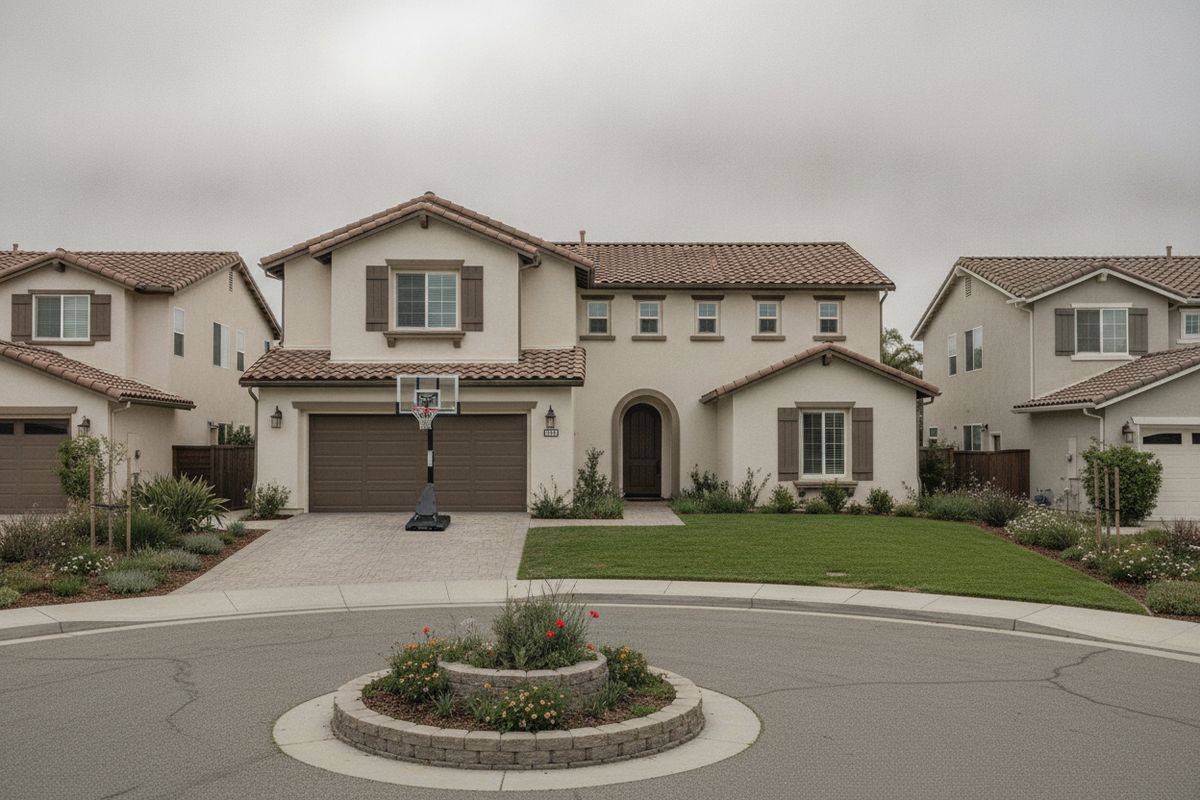
Dividing a marriage usually means deciding what happens to the house. One spouse may buy out the other, the couple may sell, or the home may be held until children finish school. Each path depends on a credible value. Brian Ward prepares divorce appraisals that are neutral by design: he reports what the market evidence supports, regardless of which side placed the order. Spouses can order jointly, or one attorney can engage him with the other side's knowledge. Reports can use a current date for a buyout or a past date such as separation when counsel needs it. Every appraisal is written and signed by Brian, with comparable sales and photographs that both parties can review.
Where this meets a bankruptcy case
Divorce and bankruptcy often arrive together, and the order in which they happen can change outcomes. If one spouse files bankruptcy while the divorce is pending, community property, including the house, may become part of the bankruptcy estate, and the family court and the bankruptcy court then both have an interest. Some couples file a joint bankruptcy before separating to deal with shared debt first; others finish the divorce and let one spouse file afterward. Each sequence raises valuation questions: what was the home worth on the petition date, and what is it worth for the buyout? Brian can prepare coordinated reports with different effective dates so the numbers line up logically and the reasons for any difference are explained. He does not advise on which order to choose. That decision belongs to the spouses and their family law and bankruptcy attorneys, who often need to talk to each other early.
Staying neutral when emotions run high
In a divorce, a house is never just a house. One spouse may want to keep it and hope the number comes in low; the other may want cash and expect a high figure. Brian's job is to ignore both hopes. He inspects the property, notes improvements and deferred repairs fairly, and selects sales that a knowledgeable buyer would consider. When both spouses attend the inspection, he listens to each without taking sides and records relevant facts, such as a remodel completed after separation. The report explains its reasoning in plain English so that either party, or a judge, can see how the conclusion was reached. That transparency tends to shorten arguments rather than extend them.

Choosing the effective date
In California divorce matters, the value may be needed at the separation date, at a date near trial, or at both. A buyout negotiated today usually relies on a current value. A dispute over credits or reimbursements may require a retrospective date. Brian asks counsel to confirm the date in writing before he begins, because changing it midway means starting the research over. When two dates are needed, he can prepare both reports together at a combined fee, using sales from each period. He also notes any change in the property between the dates, like new flooring or storm damage, so the reader understands why the values differ.
Buyouts, refinances and listings
A spouse keeping the house usually needs to refinance to remove the other spouse from the loan, and the lender will order its own appraisal for that purpose. The divorce appraisal serves a different role: it sets the equity figure the spouses use to calculate the buyout. If the couple decides to sell instead, the report can help them agree on a list price and avoid arguing over every offer. Brian can walk the house with an eye to the repairs that most affect value and note them, which helps decide whether to fix items before listing or adjust the price instead. Either way, the spouses begin with the same set of facts.

What the report includes
- Opinion of market value as of the date specified by counsel (current, separation, or both)
- Comparable sales grid with plain-language adjustment explanations
- Interior and exterior photographs noting improvements and needed repairs
- Notes on changes to the property between effective dates when more than one is used
- Location map, scope of work and signed certification
- Report addressed to both parties or to counsel as requested
Which report usually fits
Because divorce values are often disputed, a single-family home or condo usually calls for the $699 Standard report with a complete interior inspection. If the parties are cooperating and only need a planning number, a Desktop report at $449 may do. A duplex or other rental the spouses own together can be handled with a Desktop 2-4 Unit for $549 or a Standard 2-4 Unit for $799. Testimony, if required, is billed separately.
| Report | Visit | Best for | From |
|---|---|---|---|
| Basic Desktop | No site visit | Public data and a tight set of nearby sales; suits a routine Schedule A/B entry. | $299 |
| Desktop | No site visit | More sales, more market-trend support; for equity that sits near the exemption line. | $449 |
| Drive-By | Exterior viewing (SD & Riverside list only) | Curbside photos of the outside, plus a complete comparison grid. | $649 |
| Standard (house or condo) | Interior + exterior (SD & Riverside list only) | Every room seen, measured and photographed. The pick for disputes and valuation motions. | $699 |
| Desktop 2–4 Unit | No site visit | Small income buildings priced from data, with rent levels weighed. | $549 |
| Standard 2–4 Unit | All units inspected (SD & Riverside list only) | Each unit toured; income and sales support written up in full. | $799 |
Where inspections are offered: Drive-By and Standard (inspected) reports are available only in the 68 San Diego County and Riverside County communities on our service list. Everywhere else in California, Brian prepares desktop reports only. See the list.
Divorce Appraisal questions
Can both spouses use the same appraiser?
Yes, and many couples find it saves money and conflict. Brian can be engaged jointly or by one attorney with the other side informed. The report is the same either way: an independent opinion of value. Let him know at the start who the intended users are so the report names them correctly.
What if my spouse will not allow access to the house?
If an interior inspection is not possible, Brian can prepare an exterior-only Drive-By report or a desktop report and state the limitation clearly. The court may also order access. Your family law attorney can advise on which route makes sense, and the report scope can be upgraded later if access becomes available.
Should we divorce first or file bankruptcy first?
That is a legal strategy question, and the answer depends on your debts, income and property. Brian cannot advise on it. What he can do is provide values at whatever dates your family law and bankruptcy attorneys need, so they can compare options with real numbers rather than estimates. Bringing both attorneys into one early conversation often saves time and fees.
If the matter goes to trial, can you appear as a witness?
Brian can testify about his report in a deposition or at trial. Preparation, travel and time on the stand are charged apart from the appraisal and quoted ahead of time. Many divorce cases settle once both sides see a well-supported value, but it helps to know testimony is available if needed.