
The San Diego housing picture
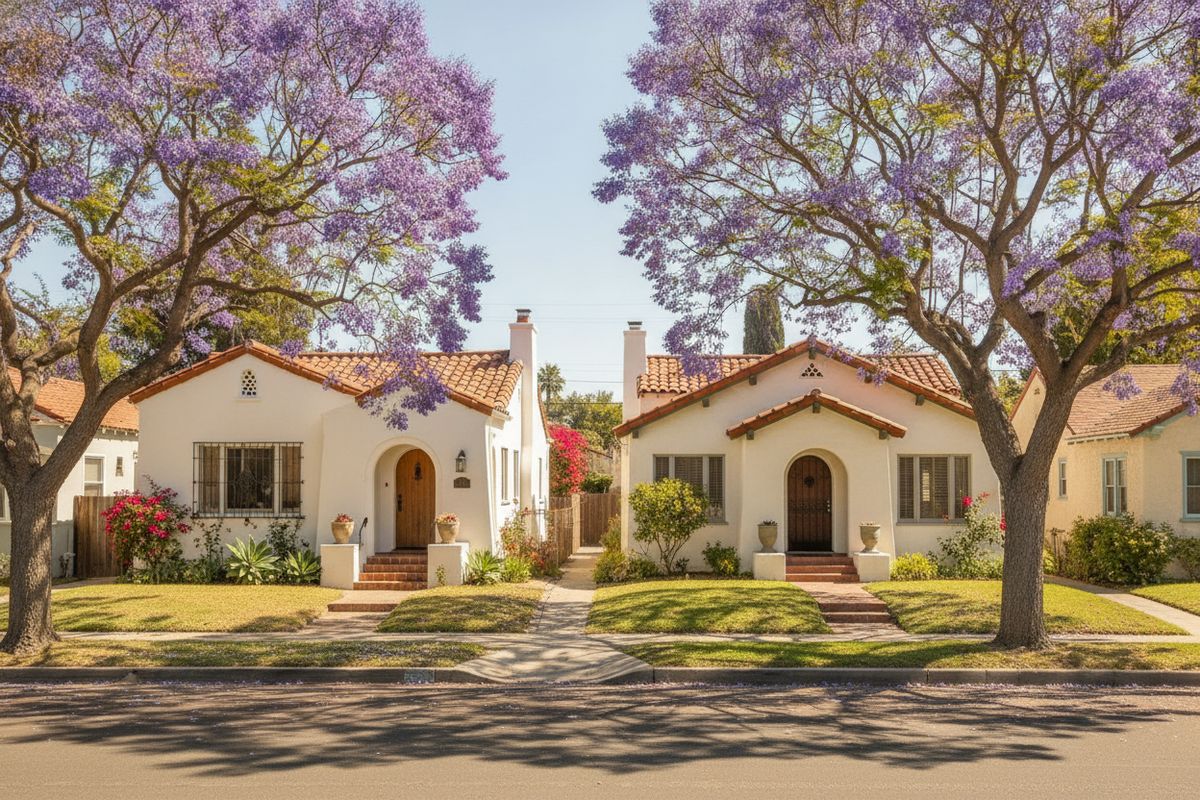
The city covers more ground than most people realize, stretching from the Mexican border at San Ysidro north past Rancho Bernardo, and its housing changes block by block. Near the center you find Craftsman bungalows, Spanish Revival cottages, and small apartment courts built before World War II. Postwar tract neighborhoods such as Clairemont, Serra Mesa, and Allied Gardens fill the mesas with single-story homes on modest lots. Farther north and east, master-planned communities from the 1970s onward add stucco two-story houses, Mello-Roos districts, and layered homeowners associations. Downtown, Little Italy, and Mission Valley lean heavily toward condominiums, while beach areas mix older cottages with newer townhomes squeezed onto narrow lots. Canyons cut through many neighborhoods, so two houses on the same street can differ sharply in view, usable yard, and slope. Price tiers run from entry-level condos in the South Bay communities to luxury coastal homes. South of downtown, communities like Barrio Logan, Logan Heights, and Otay Mesa add older bungalows, newer infill townhomes, and planned subdivisions near the border, each with its own buyer pool. That variety is the reason a citywide average tells you almost nothing about one particular property, and why comparable sales have to come from the same pocket of the city whenever the market allows it.
Getting the petition-date value right in San Diego
Every case filed from inside city limits goes to the Southern District of California's bankruptcy court, which sits downtown, a short trip from many of the homes Brian appraises. Because the trustee's office is local too, the people reading the report usually know the neighborhoods, so a weak comparable from the wrong side of a freeway or canyon gets noticed quickly. A petition-date appraisal here has to answer several city-specific questions. For a condo, the HOA dues, any special assessment, pending litigation, and whether the building is approved for common loan programs can all shift value. For a coastal cottage, a granny flat or garage conversion may or may not be permitted, and the report should say what was observed rather than guess. Older central neighborhoods often carry deferred maintenance: original wiring, cracked foundations, worn roofs. Those items matter to a Chapter 7 trustee weighing non-exempt equity against costs of sale, and they matter just as much in a Chapter 13 liquidation analysis. When the filing date is months in the past, Brian builds a retrospective value from sales that closed around that date, not from today's listings. If the second mortgage may be wholly unsecured, the appraisal becomes evidence in a valuation motion, so the reasoning needs to be clear enough to defend in front of a judge. Brian is an appraiser, not an attorney; your bankruptcy lawyer decides how the value is used.
What Brian documents for a San Diego filing
- The exact petition date from the filing, so comparable sales are chosen from the weeks around that date and the effective date on the report matches the schedules.
- HOA documents for condos and townhomes, including monthly dues, reserve condition, special assessments, and any litigation that a buyer's lender would flag during escrow.
- Permit history for additions, garage conversions, and accessory dwelling units, with a clear note on what was seen versus what the city record shows for the property.
- Condition photographs of roof wear, foundation cracks, water damage, outdated electrical panels, and other defects that a buyer would price into an offer.
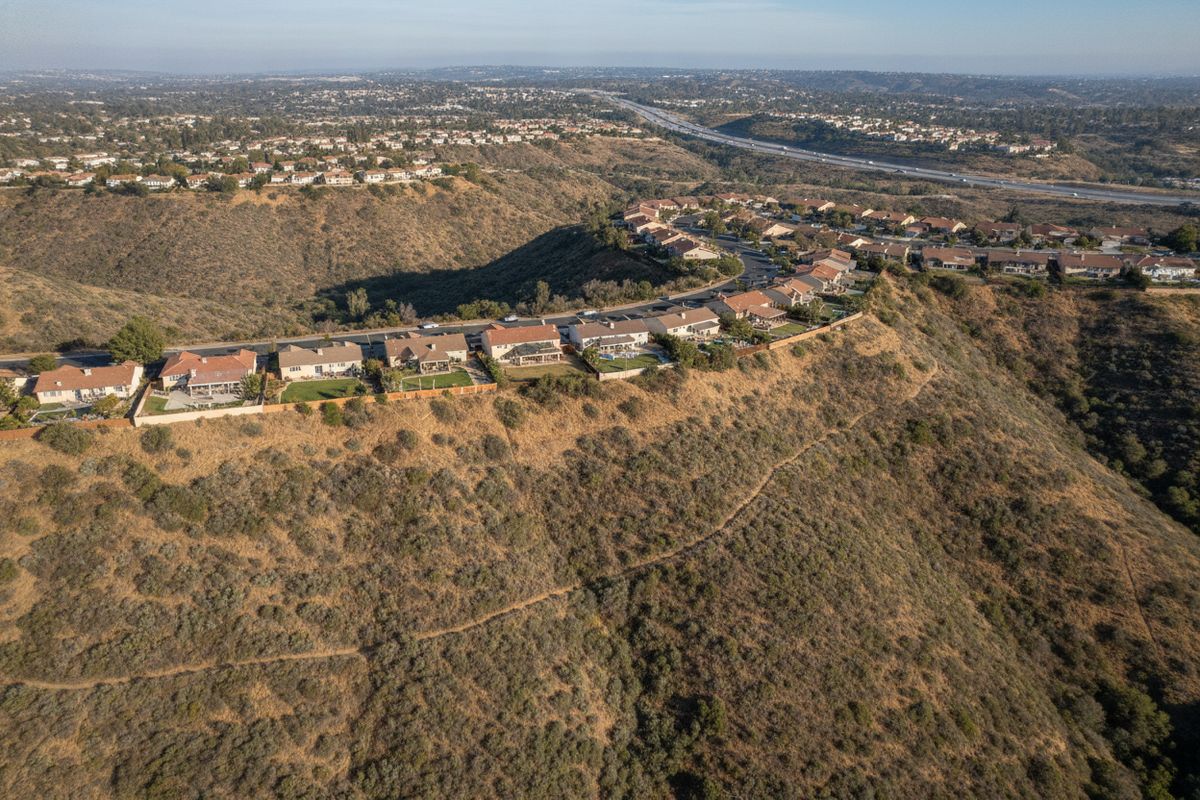
- Canyon, freeway, flight-path, and trolley-line influences, since a home backing onto a canyon rim or sitting under the Lindbergh Field approach can trade very differently from one a block away.
- Rental status, lease terms, and unit mix for duplexes and fourplexes in older central neighborhoods, which affects both the comparable search and any income discussion in the report.
Finding your way around
Most residents orient themselves by Balboa Park, Mission Bay, and the freeways that tie the city together: Interstate 5 along the coast, Interstate 15 up the middle, and Interstate 8 running east from Ocean Beach through Mission Valley. Point Loma and its peninsula guard the mouth of San Diego Bay, while the Cabrillo National Monument looks back at the downtown skyline. Inland, Mission Trails Regional Park and Cowles Mountain anchor the eastern neighborhoods, and Los Penasquitos Canyon Preserve threads through the north. Petco Park, the Gaslamp Quarter, and the Embarcadero frame the downtown waterfront near the federal courthouse.
Neighborhoods covered
- Downtown
- Little Italy
- Point Loma
- Ocean Beach
- Mission Valley
- Kensington
- Tierrasanta
- Scripps Ranch
- Rancho Penasquitos
- San Ysidro
ZIP codes
92101, 92102, 92103, 92104, 92105, 92106, 92107, 92108, 92109, 92110, 92111, 92113, 92114, 92115, 92116, 92117, 92119, 92120, 92121, 92122, 92123, 92124, 92126, 92127, 92128, 92129, 92130, 92131, 92139, 92154, 92173
Court
U.S. Bankruptcy Court, Southern District of California (San Diego)
Reports offered here
All six, including inspected Standard and Drive-By reports, plus every desktop option.
San Diego bankruptcy appraisal questions
My San Diego home is in a neighborhood with very few recent sales. How will the appraisal still work?
Brian widens the search carefully rather than grabbing the nearest sale. He looks first for homes in the same pocket with similar age, size, and lot character, then reaches into neighboring areas that buyers treat as substitutes, adjusting for the differences and explaining each choice. For a petition date in the past, he can also use sales that closed shortly after the filing if they help show the market at that time. The report states plainly when data was thin.
Does a downtown or Mission Valley condo need anything different from a house?
Yes. Condo value depends heavily on the building itself, so Brian reviews the HOA dues, the floor level, the view, parking assignment, and any special assessment or construction defect claim that could make lenders hesitant. He compares the unit primarily against sales in the same complex or very similar buildings nearby. If the association is dealing with litigation or major repairs, the report explains how that affected buyers around the petition date.
Will the appraiser talk to the trustee or testify if my value is challenged?
Brian can answer the trustee's questions about how the report was prepared, and he can be retained for a deposition or court testimony if a valuation dispute moves forward; testimony is billed separately from the report. He explains his method and the facts he relied on, but he does not advocate for a particular outcome or give legal advice. Your bankruptcy attorney decides strategy and handles the 341 meeting and any motions.