The Ramona housing picture
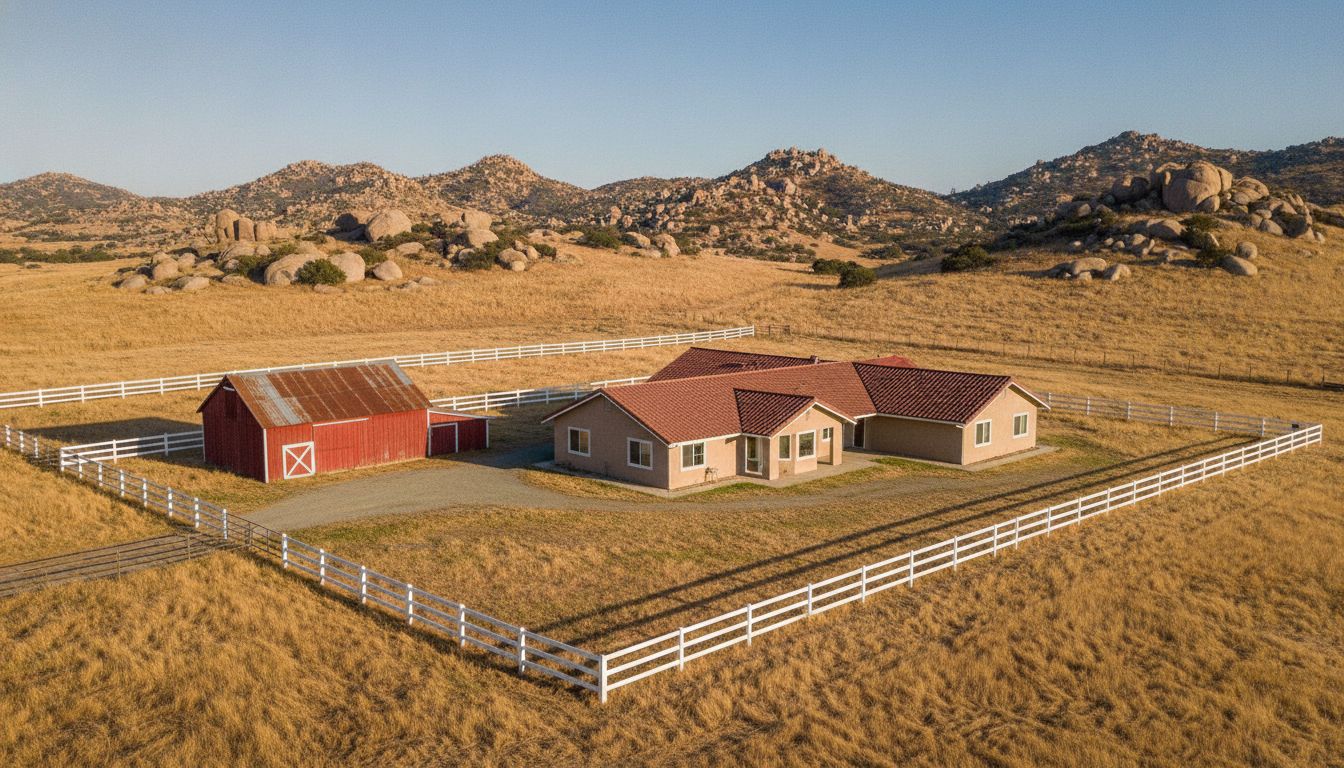
Ramona is an unincorporated town spread across a high inland valley, and most of its housing sits on land rather than in tracts. Near Main Street and the town center, older bungalows and mid-century homes occupy small lots. To the southeast lies San Diego Country Estates, a big master-planned community with an association, golf course and equestrian facilities, and homes from the 1970s up to recent custom builds on medium-sized lots. Outside those areas, most parcels cover one acre to ten or larger and contain ranch homes, manufactured homes, barns, vineyards and farm buildings. Septic tanks and private wells are common here, and some homes are reached by unpaved or shared private roads. Price levels span from modest for older manufactured homes on small acreage up to upper-tier for gated horse estates and view properties around Mount Woodson. That spread makes it easy for a quick estimate to miss by a wide margin, especially when comparable sales are thin in a given month.
Getting the petition-date value right in Ramona
Getting a Ramona value right for a bankruptcy case usually means answering infrastructure questions first. Is the water from a private well or the Ramona Municipal Water District? Is the septic system permitted and sized for the bedrooms claimed? Is a manufactured home on a permanent foundation and converted to real property, or still titled as personal property through the state? Each answer changes the comparable sales that apply and how the trustee views the asset. Wildfire exposure is real here after the Cedar and Witch Creek fires, and insurance availability can shape demand. Agricultural uses, such as vineyards or nurseries, need to be separated from the residential value. Sales are spread out in both geography and time, so a retrospective petition date may require searching a wider window and adjusting carefully for market change. Ramona cases are heard by the Southern District bankruptcy court downtown, which sits in downtown San Diego. Brian prepares the valuation only; your bankruptcy attorney handles exemptions and strategy.
What Brian documents for a Ramona filing
- Water source and septic permit records, including meter status with the Ramona water district or well yield information the owner may have.
- Whether any manufactured home on the land has been converted to real property or is still registered with the state.
- Barns, arenas, workshops and second units, with photos and permit checks so each improvement is weighed according to local buyer behavior.
- Road access type, from paved county road to private easement, plus any shared maintenance agreement that a buyer would inherit.
- Association dues, amenities and any special assessments for homes inside San Diego Country Estates or other governed subdivisions.
Finding your way around
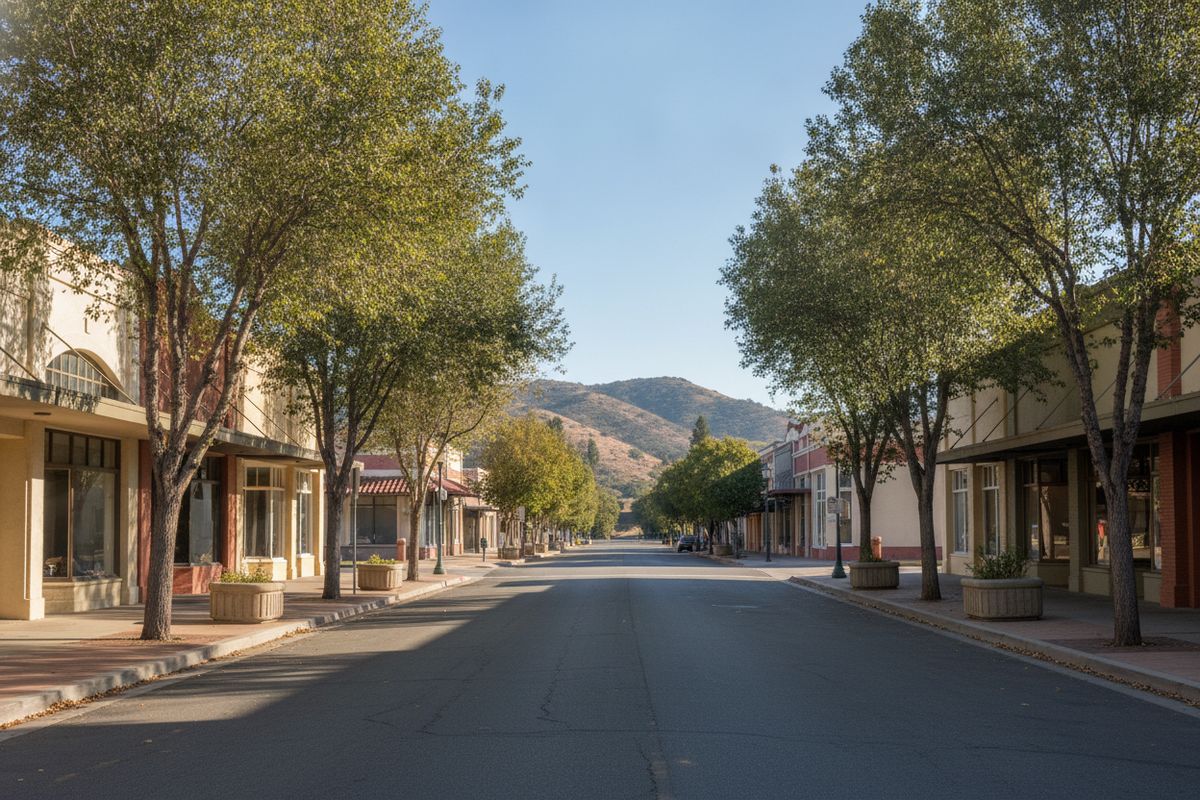
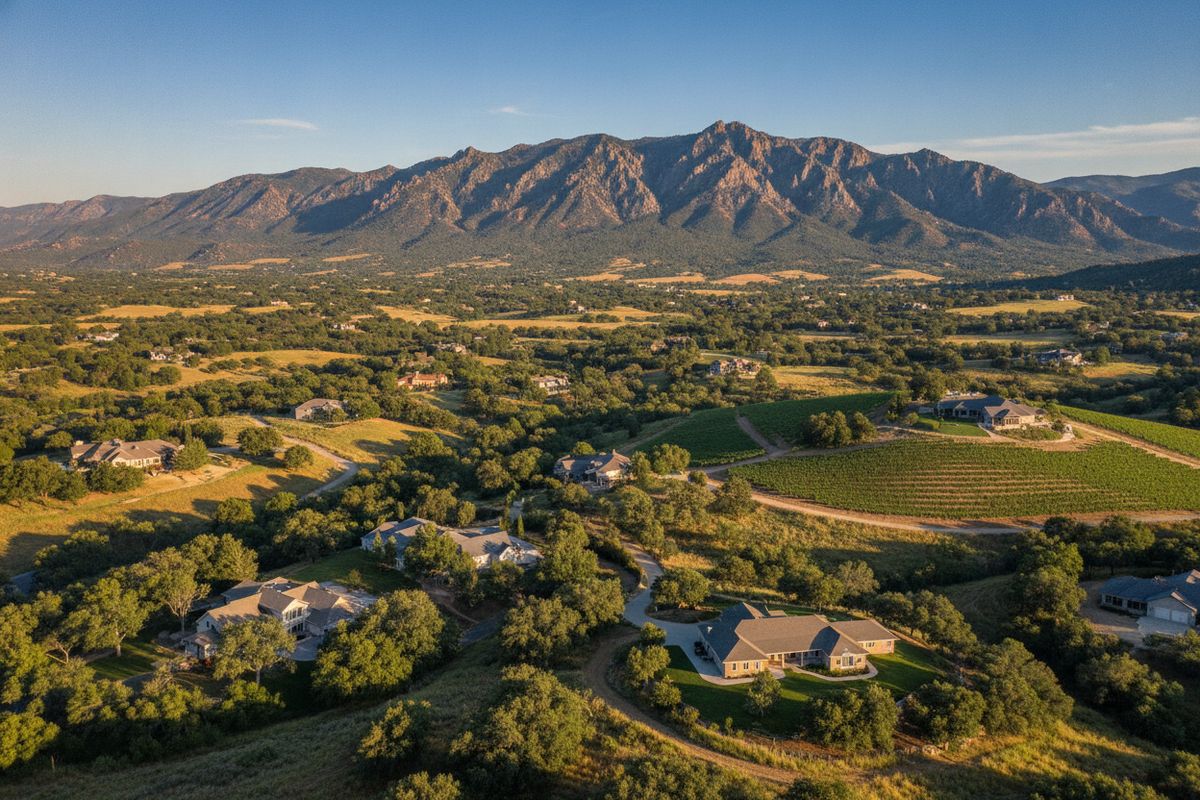
State Route 67 climbs from Poway into Ramona and becomes Main Street, where the historic Town Hall and old storefronts line the road. Route 78 continues east toward Santa Ysabel and Julian. Mount Woodson and its famous Potato Chip Rock rise to the west, the Ramona Grasslands Preserve spreads across the valley floor, and the Ramona Airport hosts a Cal Fire air attack base. Wineries dot the hills off Highland Valley Road.
Neighborhoods covered
- San Diego Country Estates
- Mount Woodson
- Ramona Town Center
- Highland Valley
- Ballena Valley
- San Vicente Valley
- Wildcat Canyon
ZIP codes
92065
Court
U.S. Bankruptcy Court, Southern District of California (San Diego)
Reports offered here
All six, including inspected Standard and Drive-By reports, plus every desktop option.
Ramona bankruptcy appraisal questions
There is a mobile home and a house on my Ramona parcel. How is that valued?
Brian first determines whether the mobile home is legally part of the real property or titled separately as personal property. Then he looks at how buyers treat a second dwelling on similar parcels, considering permits, utility connections and condition. The report spells out what was included so the trustee and your attorney can see how each structure was handled.
Sales in my area are sparse. Can the appraisal still hold up?
Yes, with careful method. When needed, Brian looks farther out or further back in time, states why each sale was selected, and adjusts for differences in water, access, acreage and improvements. Thin data is common in rural San Diego County, and a well-supported report says so openly rather than hiding it.
Does my home in San Diego Country Estates need different treatment?
Somewhat. Homes in the Estates usually compare best with other Estates sales, since buyers weigh the association amenities, dues and lot sizes there differently than on open rural parcels. Brian notes dues, any assessments and the specific section of the community when selecting comparables. The report identifies them by name.